
Predictable Practices, Powerful Healing: How Consistency Supports Healing
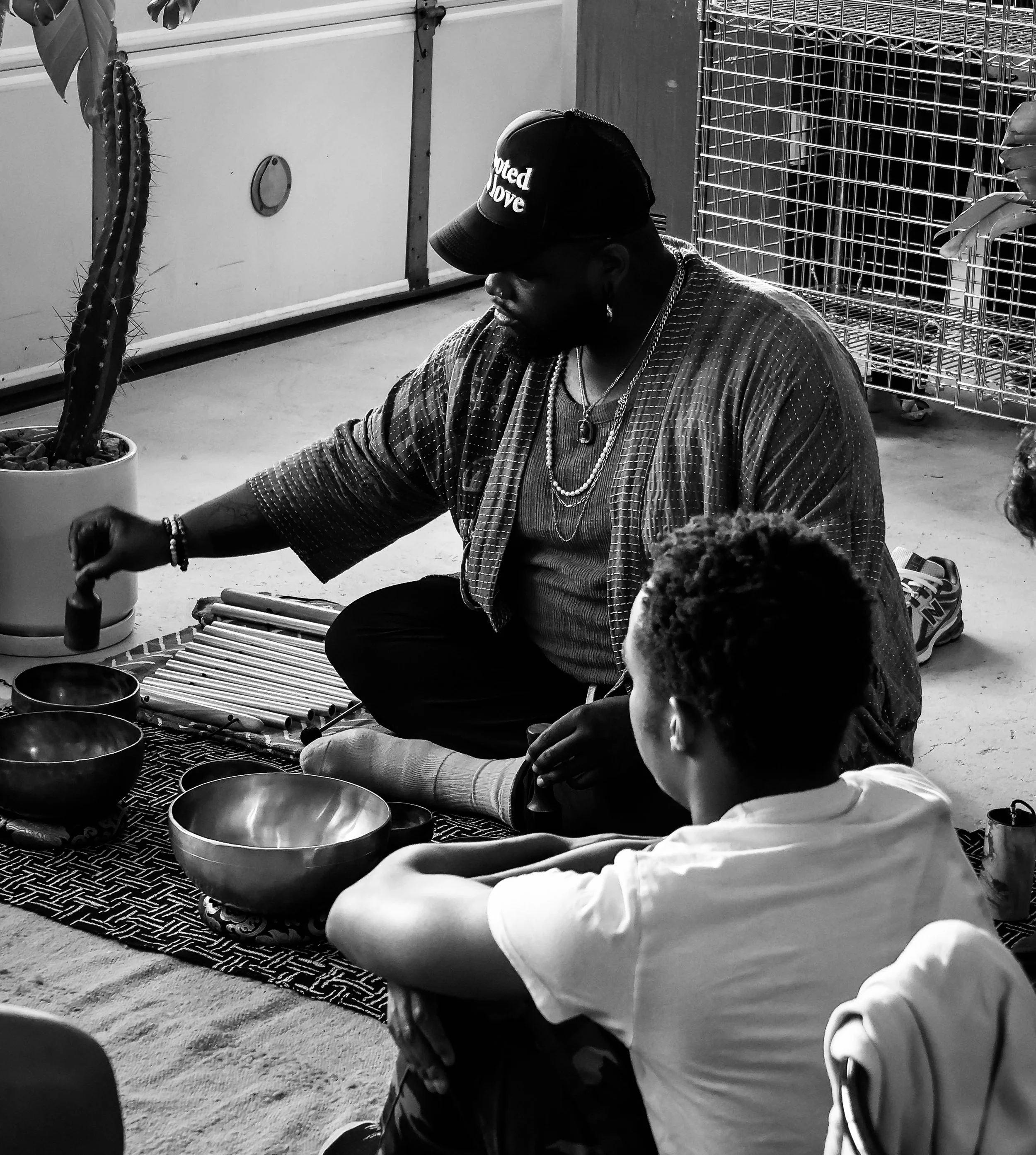
As facilitators of stillness practices—including meditation, sound healing, yoga nidra, and restorative yoga—we have the privilege of guiding participants through experiences that can deeply impact their wellbeing and mental health. While these practices offer benefits for all, they can be particularly transformative for individuals experiencing trauma and its effects on the nervous system. A nervous system affected by trauma is often dysregulated, which can manifest in various ways—overwhelm, anxiety, hypervigilance, and even a deep sense of disconnection.
One of the most impactful ways we can support these students or participants is through consistency, predictability, and repetition. These qualities in our classes or sessions offer a sense of reliability, which can be deeply soothing for someone who may feel they are constantly on guard.
When trauma has disrupted someone’s nervous system, they may struggle to regulate emotions or feel grounded. Engaging in mindfulness and stillness practices offers a chance for the nervous system to downregulate, to experience moments of calm that might feel unattainable in other areas of their life. By crafting environments that feel predictable and stable, we help foster trust in their surroundings, which can allow participants to soften into the practice without fear of sudden changes or surprises that might trigger a stress response.
How You Can Apply The Principles of consistency, predictability, and repetition
Consistency in Session Format: Whether you are leading meditation, restorative yoga, or sound healing, keeping the structure of your sessions consistent can offer comfort. Consider starting each session with a brief check-in or centering practice, followed by a familiar flow of activities. This predictability can ease participants into the experience, especially those whose nervous systems may react to unpredictability.
Repetition of Techniques: Repetition, when done mindfully, can help create a grounding effect. This could be as simple as using the same breathing technique during each session or incorporating the same instruments or themes in your Dharma talk. The repetitive nature allows those experiencing trauma to anticipate what’s coming, which can reduce anxiety and allow them to settle into the practice more deeply.
Gentle, Grounded Instruction: Be mindful of how you communicate transitions during your sessions. Clearly explain what’s coming next, and maintain a calm, steady tone to your voice. For example, as you guide participants through a sound bath, remind them of the steady rhythm of the tones, or in restorative yoga, let them know when and why you'll guide them into a new pose. This type of communication supports a sense of safety.
Offering Choice and Agency: Providing trauma-informed stillness practices also means giving participants autonomy. Offering choices within the practice—whether it's choosing props, encouraging participants to engage in the practice as much or as little as they feel comfortable, or modifying a posture in restorative yoga—empowers participants to feel in control of their experience, which can be particularly meaningful for those experiencing trauma.
Balancing Consistency and Variety
While consistency is valuable, it's also important to avoid monotony. You can introduce small variations or new elements gradually, always giving participants advance notice and the option to stick with familiar practices. This applies whether you're introducing a new pose in restorative yoga, a different meditation technique, or a new instrument in sound healing.
Conclusion
As instructors, healers, and facilitators, we are in a unique position to help others reconnect with themselves, especially those who have been impacted by trauma. By mindfully incorporating consistency, predictability, and thoughtful repetition into our stillness practices, we can create an environment that supports healing and growth for all participants, especially those navigating the effects of trauma. Over time, these mindful approaches can allow participants to cultivate a sense of stability not just within the session, but also within themselves. Through thoughtful and compassionate facilitation, we support their journey toward healing, one mindful breath, one still moment at a time.