5 Takeaways From a Week of Space Holding and Facilitation
Last week was full.
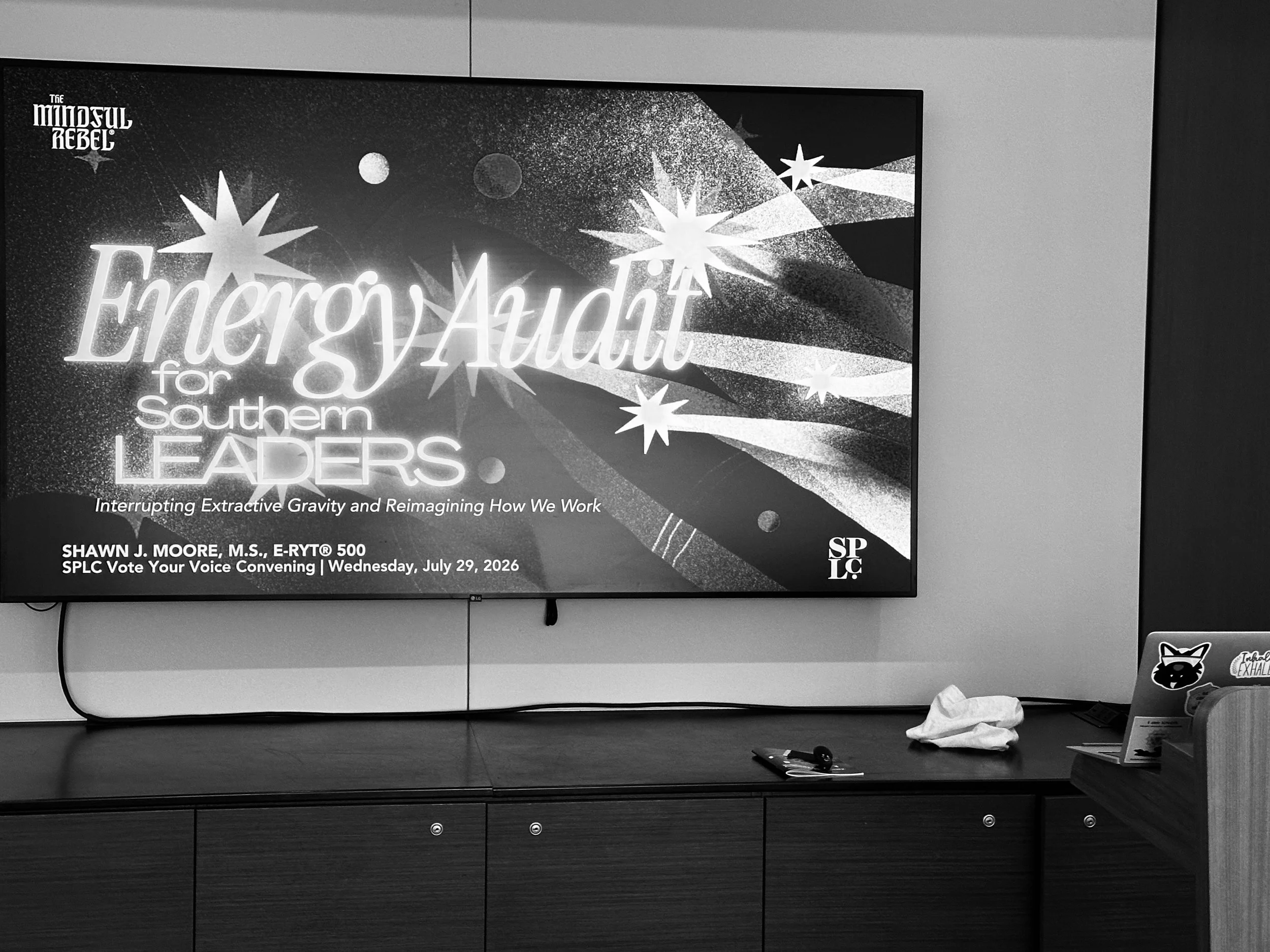
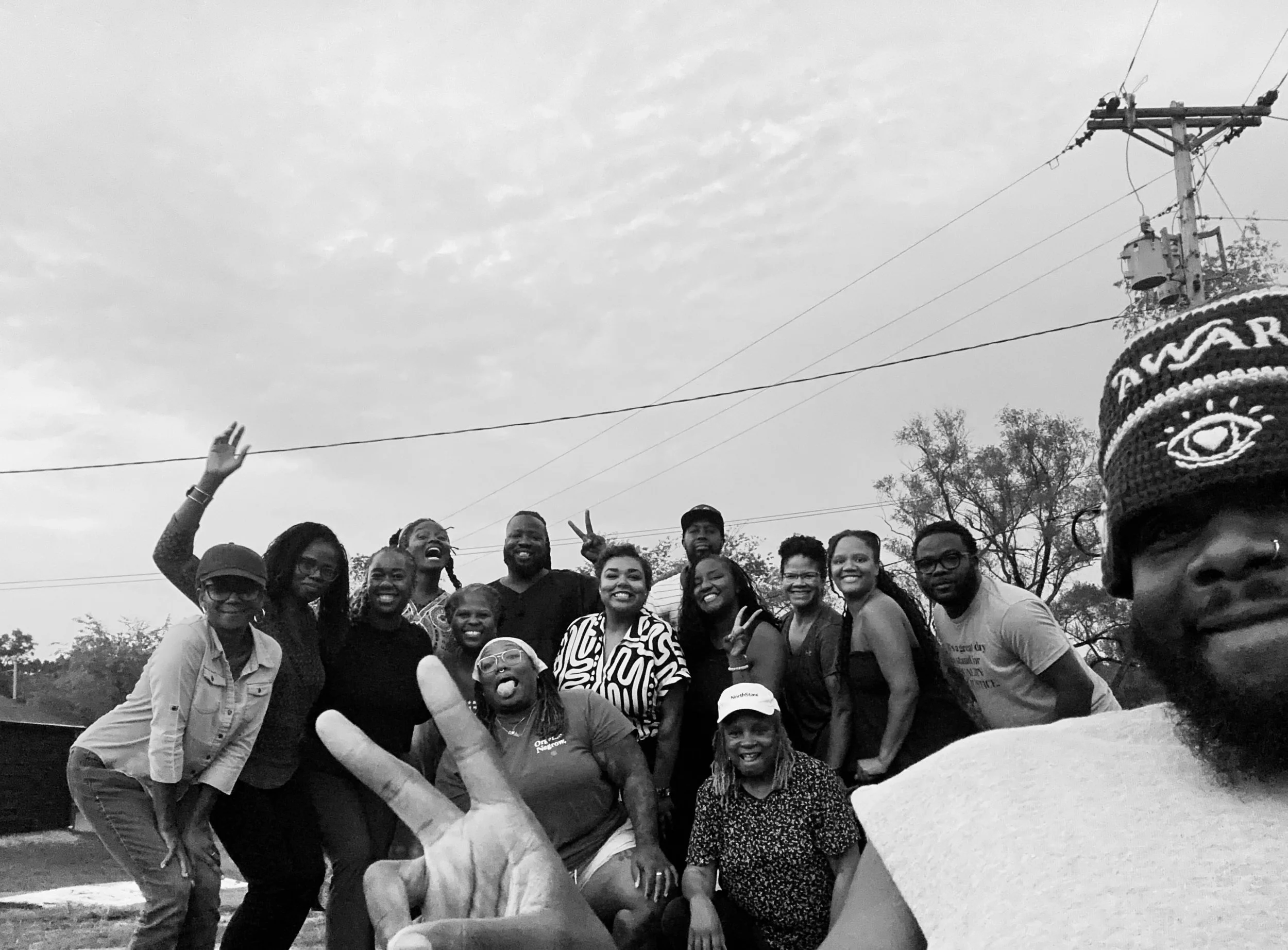
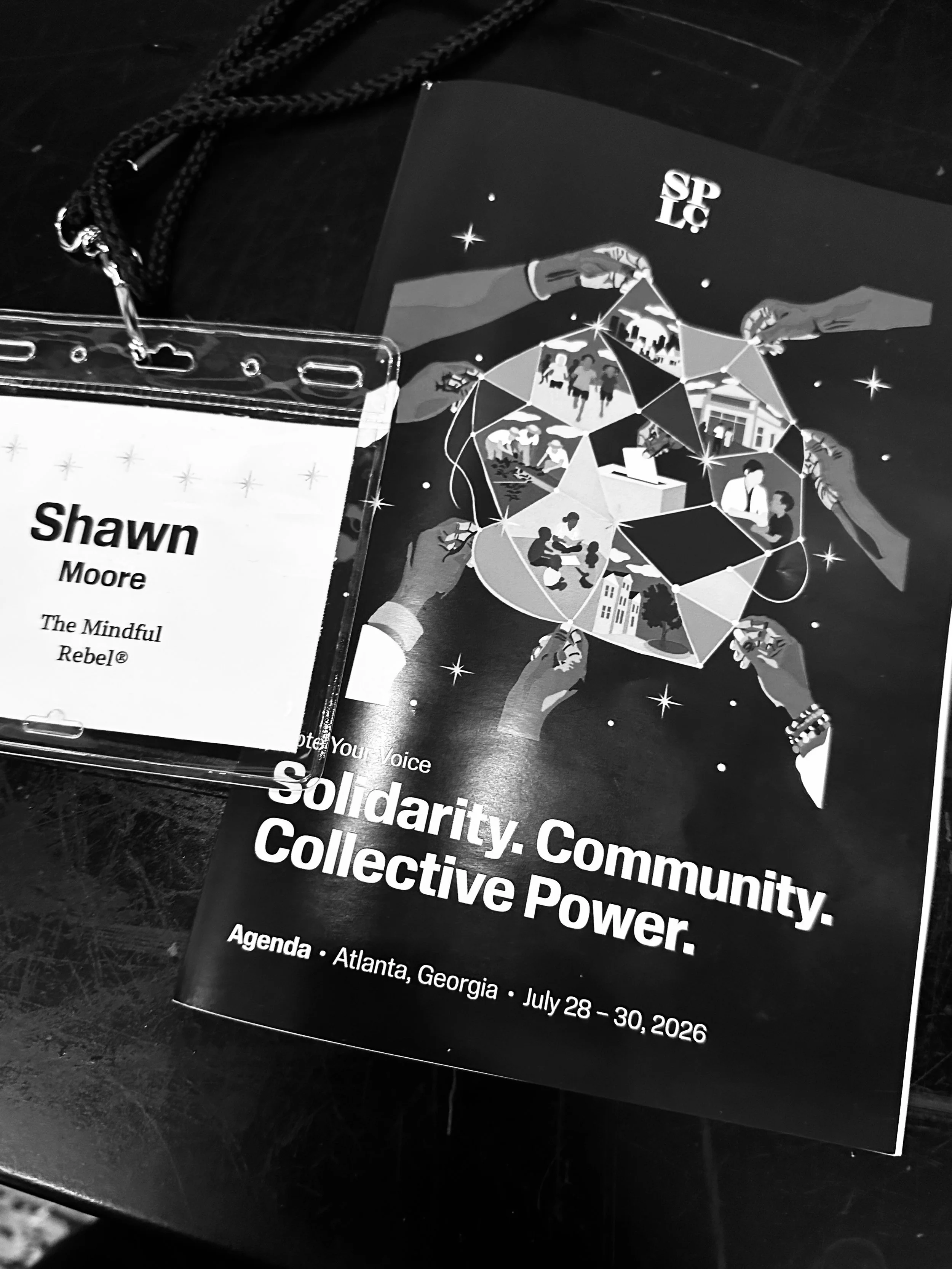
I had the privilege to facilitate at the Southern Poverty Law Center’s Youth Summit and Vote Your Voice Convening in Atlanta, then made my way to Maryland to co-facilitate the third annual Embodied Justice Retreat with the Center for Urban and Racial Equity.
Across both experiences, I was in rooms with young people, movement leaders, organizers, educators, facilitators, and folks carrying a deep commitment to justice, liberation, and community. The settings were different, but I kept noticing the same thing: people are holding a lot, and they are also refusing to let the weight of the moment be the only thing shaping how they lead.
There was honesty about depletion, curiosity about what could be done differently, and a real willingness to loosen our grip on ways of working that may no longer serve us. I left the week with a deeper appreciation for what becomes possible when social change leaders are given room to slow down, breathe into authenticity, and imagine beyond the ever-emerging demands immediately in front of them.
Here are five insights the still feel resonate:
1. Rest and care can help us imagine beyond survival
Saying that rest is just a form of recovery… is only telling part of the story.
When we are constantly responding to urgency, our field of vision gets tight. We focus on the next deadline, the next crisis, the next fire, the next threat. That focus may be necessary, but it can also make it difficult to see anything beyond what is right in front of us.
Rest can widen the frame. It can help us see ourselves more clearly, access creativity that urgency has buried, and imagine new ways of responding to the forces threatening access, justice, community, and liberation. Sometimes the pause is not a break from the work. When we slow down and pause, the next version of the work and the future has space to be birthed.
2. We need to get honest about our pace
A fast pace is not automatically an effective pace. Sometimes we are moving quickly because the moment requires it. Other times, we are moving quickly because urgency has become the culture. The speed has become so normal that we no longer stop to ask whether it is serving us, our organizations, or our community.
Just because we can keep pushing does not mean we should. And that often is an uncomfortable truth. Leaders have to be willing to notice when the pace is producing more reactivity than clarity, more exhaustion than impact, and more movement than actual progress. We have to be able to recognize when the speed of the work is weakening relationships, narrowing our thinking, depleting resources, or pulling us out of alignment with the communities we are trying to serve. There are seasons that call for intensity. There are also seasons that call for integration, repair, listening, and patience.
3. People are tired…AND we still have the capacity for joy
Even with the weight people are carrying, I kept seeing evidence that our capacity for joy is still very much alive. Throughout the week, joy kept showing up in small, interpersonal moments. It was in a shared laugh between sessions, someone saving a seat for another person, a warm check-in, a joke that broke the tension, a hug, a dance, or the ease of being around people who understood the weight without needing it explained.
None of those moments changed the conditions we were gathering to confront. They did, however, remind me that those conditions have not taken everything from us. Even with everything the work asks of us, we still have the capacity to witness delight, connection, and tenderness already present in the small moments moving between us.
4. We are in good hands
I spent time with young people and with folks stepping into new layers of leadership, and I left encouraged. In an interview I participated in at the Youth Summit I literally said, “We are in good hands!” This new breath of fresh air in leadership are questioning inherited ideas about power, productivity, sacrifice, sustainability, and what leadership is supposed to look like. They are more willing to name when something is not working. They are less interested in maintaining harmful traditions simply because those traditions have history.
That does not mean they have all the answers. None of us do. But there is a growing willingness to rethink how the work is held, who gets to shape it, and what people should no longer be expected to sacrifice in order to prove their commitment. We are in good hands because people are willing to question the hands they were dealt.
5. We can pause and reconsider our role in the work
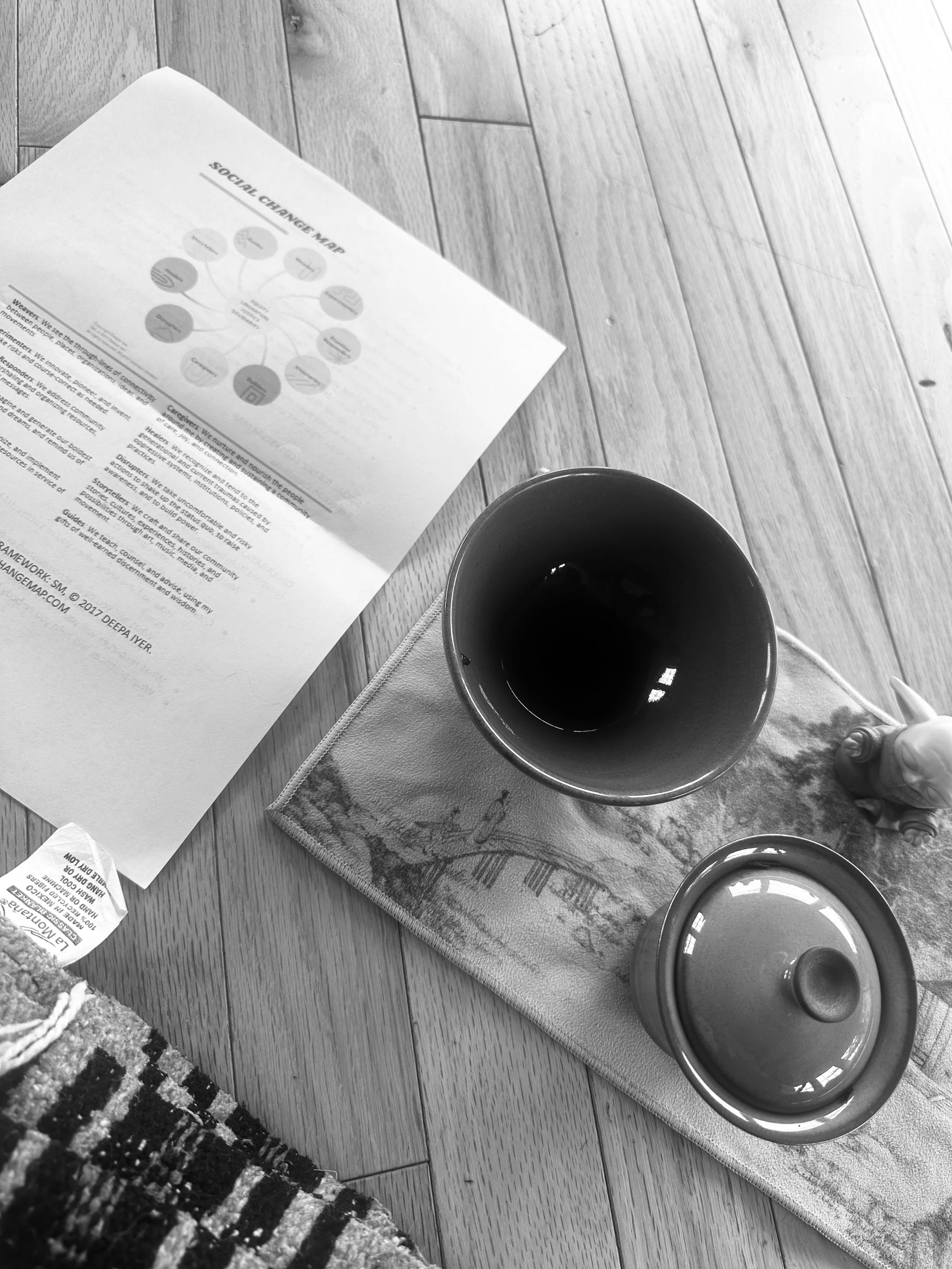
There is no rule saying we have to play the same role forever. We can pause and consider whether we are in the right organization, the right position, the right relationship with the work, or even the right season for the role we have been playing. Frameworks like the Social Change Ecosystem Map remind us that movements need many kinds of people. We need caregivers, healers, builders, storytellers, disruptors, experimenters, guides, visionaries, and folks who keep the whole thing moving behind the scenes.
There are many frameworks, and none of them need to become another rigid box. The value is in the reminder that contribution can take many forms and we have agency to choose. We can notice when a role no longer fits. We can step back without abandoning our values. We can move toward a different kind of contribution. Reorientation is often the most honest way to remain committed.
What Community Reminded Me
I returned back to Boston…physically tired… yet hopefully energized.
As someone who stays pretty close to the news, it is easy to feel the weight of everything happening and to believe the challenges are moving faster than our capacity to respond. Being in community interrupted that feeling.
I was reminded that no one person has to carry the whole picture. The wisdom is already distributed across the people doing the work, asking better questions, building new approaches, and refusing to accept that the way things are is the way they have to remain.
The shift may not always be loud or easy to see, especially when the headlines are relentless. But it is happening. It is happening in the conversations, the reimagining, the care, the leadership, and the small choices people are making every day.